1. The Science: Why are they Circular?
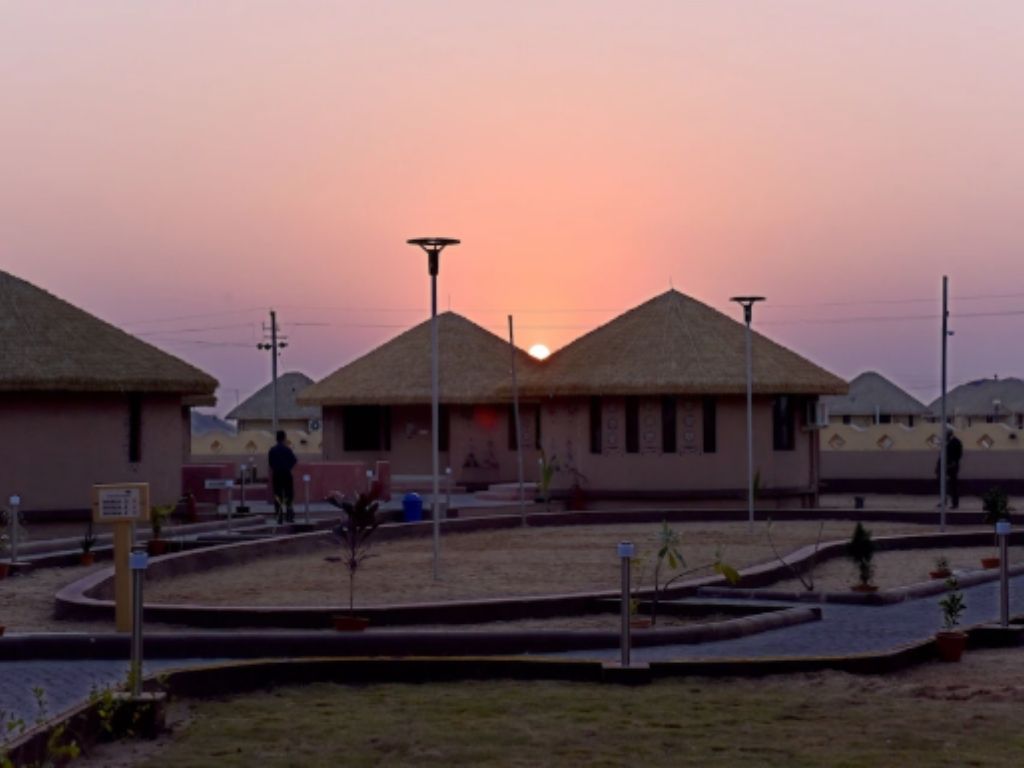
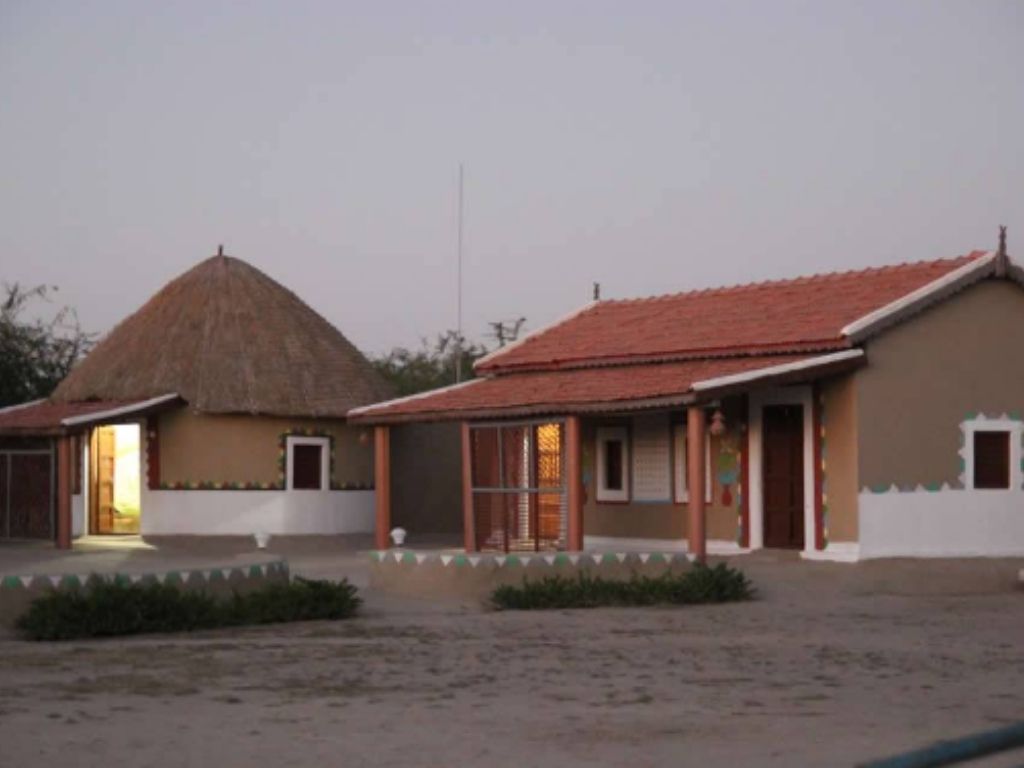
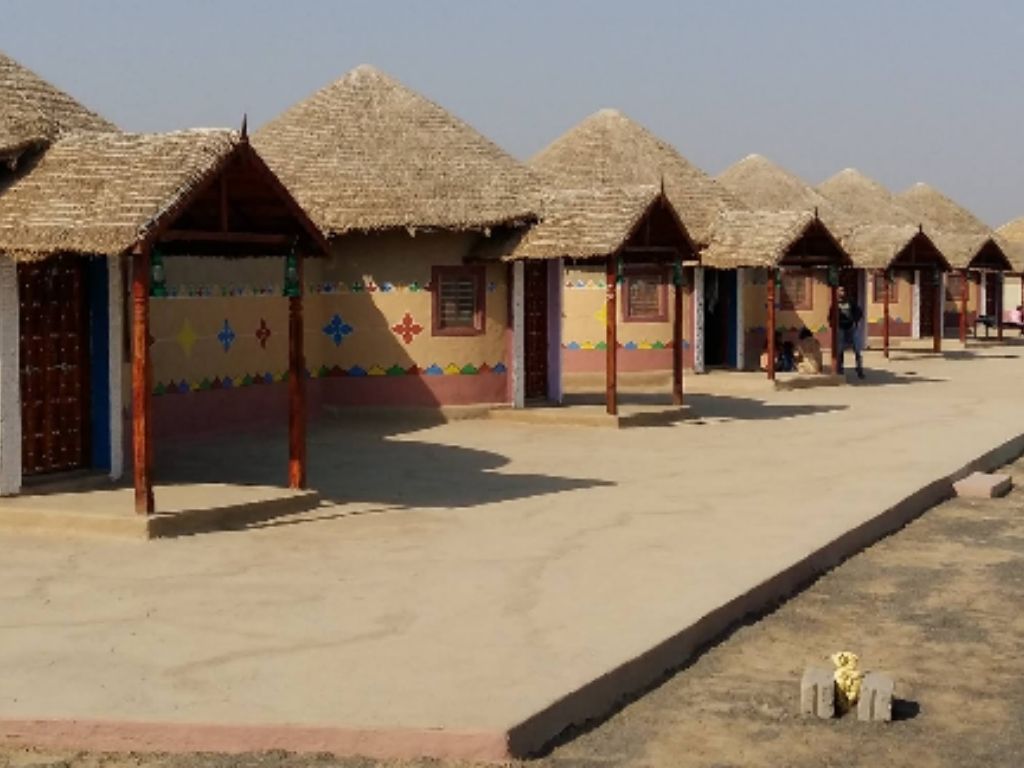
The unique shape of the Bhunga is not just for style; it is for survival.
During the devastating 2001 earthquake, while modern concrete buildings collapsed, the traditional Bhungas stood firm. The circular walls distribute seismic forces evenly, making them incredibly resilient.
The walls are made of thick mud bricks. Mud is a poor conductor of heat. This means the interior remains cool in summer and warm in winter. It is nature's own Air Conditioning.
The conical thatched roof and circular walls allow strong desert winds to flow around the structure smoothly, preventing damage during sandstorms.
2. The Art: Lippan Kaam Interiors
The beauty of a Bhunga lies inside. The inner walls are adorned with Lippan Kaam (Mud-Mirror Art).
- What is it? A mixture of clay and camel dung is used to create intricate geometric patterns on the walls. Small mirrors (abhla) are embedded in the clay.
- The Purpose: Historically, in the absence of electricity, a single oil lamp's light would reflect off these hundreds of mirrors, illuminating the entire hut.
- Today: In resorts, this art creates a magical, glittering ambiance that feels like living inside a piece of jewelry.
3. Modern Comforts in Rustic Shells
You might worry—"Will a mud house be comfortable?" The answer is Yes.
Attached Bathroom: Modern tiled bathrooms with western toilets and showers are built at the back.
Air Conditioning: Split AC units are installed for temperature control.
Hygiene: The floors are tiled or finished with polished mud, ensuring no dust or insects.
Expert Recommendation
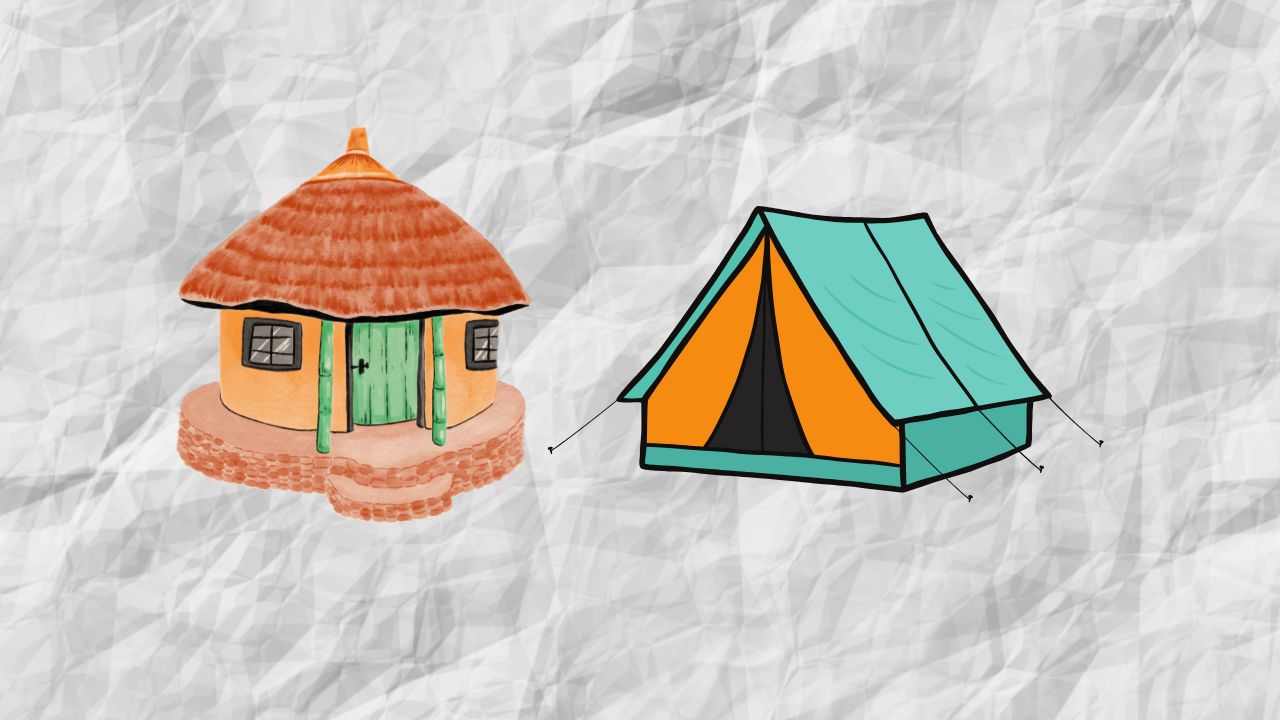
We offer both Tents and Bhungas. Here is why we recommend the Bhunga:
Better Sleep
Canvas tents can flap noisily in the wind. Bhungas are solid and soundproof. You get a much quieter, peaceful sleep after a tiring day.
Cultural Connection
Staying in a tent feels like camping. Staying in a Bhunga feels like you are truly in Kutch. It is an experience unique to this land.
Book a Premium Bhunga
Properties like White Rann Resort and Rann Visamo have the best-maintained Bhungas.
The "Tick-Mark" Tourist vs. The Experience Seeker
There is a big difference between visiting Kutch and living Kutch. Many tourists come here, stay in a canvas tent (which looks the same in Manali or Rishikesh), take a selfie at the White Desert, and leave. They tick a box, but they miss the soul of the land.
Why Tents & Concrete Can't Compete
Many premium resorts offer "Luxury Cottages" which are essentially concrete rooms, or "Swiss Tents" which are made of cloth and plastic. While comfortable, they disconnect you from the environment.
- The "Standard" Trap: A Swiss Tent offers the same experience whether you are in the Himalayas or the Desert. It has no local identity.
- The "Disconnect": Concrete walls trap heat and cold. They block the natural energy of the desert. You end up living in an air-conditioned bubble, isolated from the very landscape you came to see.
The Bhunga is a Living Organism
A traditional Bhunga is not built; it is crafted by hand using the earth beneath your feet. It is the only way to truly understand the Kutchi way of life.
The Lippan Kaam (mirror work) on the walls of a Bhunga isn't factory-made wallpaper. It is hand-molded clay art done by local village women. When you sleep in a Bhunga, you are surrounded by weeks of human labor, love, and artistic heritage. No 5-star hotel can replicate this human touch.
Have you ever noticed how quiet a mud house is? The thick earth walls absorb sound, creating a profound silence inside. In the middle of the windy desert, a Bhunga offers a sanctuary of peace that flapping canvas tents simply cannot match. It is the deepest sleep you will ever have.
True luxury in 2025 isn't gold taps; it is sustainability. Bhungas are eco-friendly, breathing structures. They represent a lifestyle that respects nature rather than fighting it. Staying here supports the local village economy directly, ensuring this ancient architectural knowledge doesn't die out.
"Don't just see Kutch. Feel it. Choose the mud over the concrete."