
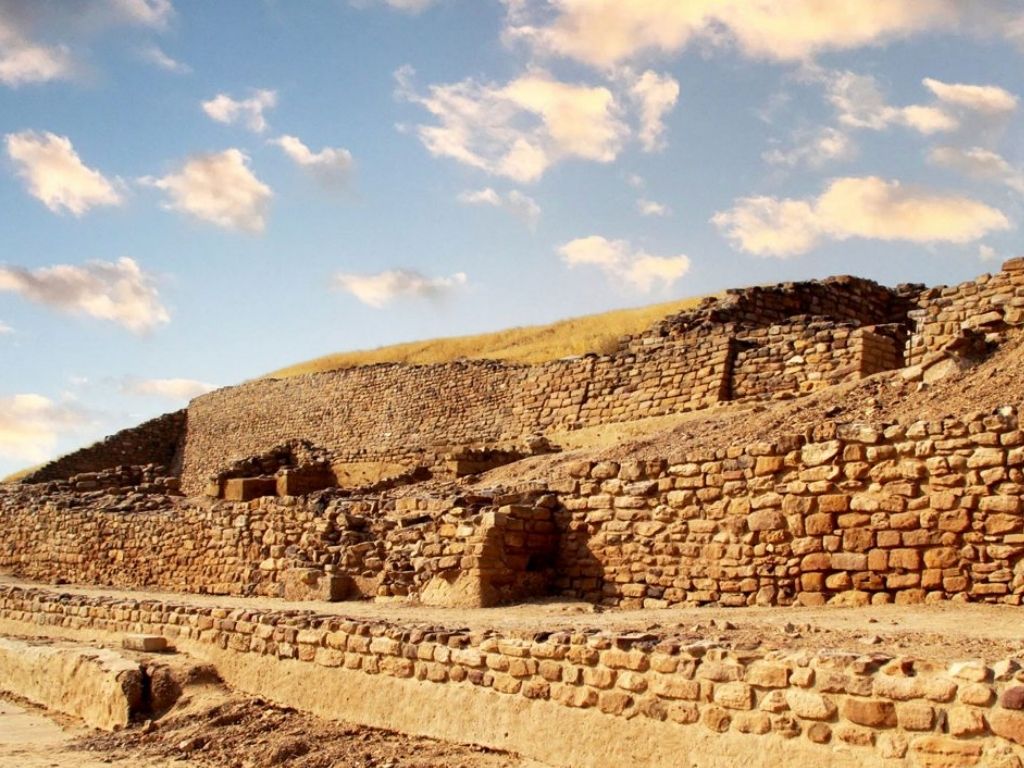
Dholavira Harappan Civilization Archeological Site and Museum
Dholavira, Gujarat 370165
If you are planning to visit Dholavira Harappan Civilization Archeological Site and Museum, we at Rann Utsav Stays can help you plan your itinerary, arrange and book your stay and travel, or get you a customised tour package.
This is the main event on the island. This massive archaeological site is a UNESCO World Heritage treasure, offering a rare look at the Harappan (Indus Valley) Civilization. The city was meticulously planned, with an impressive citadel, a middle town, and a lower town. It's famous for its advanced water management system they were way ahead of their time, building huge reservoirs into the rock. There's also a fantastic museum on-site that explains the history of the place.
Unearthing the Past: A Guide to the Dholavira Archaeological Site and Museum
A journey to the UNESCO World Heritage Site of Dholavira is a two-part immersive experience. First, you walk through the magnificent ruins of the ancient city itself, and then, you connect the dots at the on-site museum. The Dholavira Harappan Civilization Archaeological Site and Museum work in perfect harmony to provide a complete and profound understanding of one of the world's earliest and most sophisticated urban centers. The site allows you to experience the sheer scale and genius of Harappan planning, while the museum provides a close-up look at the lives of the people who inhabited this metropolis over 4,500 years ago.
What You Will Discover at the Archaeological Site & Museum
Visiting both the open-air site and the indoor museum is crucial for a comprehensive understanding of this ancient civilization.
- At the Archaeological Site: This is where you witness the grand vision. Explore the three-tiered city plan, stand in awe of the colossal water reservoirs, walk through the ancient gateways, and see the world-famous ten-letter Harappan signboard in situ. The site gives you a sense of scale, engineering, and community life.
- At the Archaeological Museum: This is where you discover the intricate details. The museum houses the artifacts unearthed during the excavations, including intact pottery, terracotta figures, intricate seals with animal motifs and undeciphered script, beads made of semi-precious stones, and tools made of copper and shell.
- Connecting the Artifacts to the Site: The museum provides context. After seeing a bead-making workshop at the site, you can then see the finished beads and drilling tools in the museum. This connection between the ruins and the artifacts is what makes the experience so powerful.
- Understanding Harappan Culture: The collection of seals, pottery, and ornaments in the museum offers invaluable clues about the trade, culture, art, and beliefs of the Harappan people, helping to piece together the puzzle of this enigmatic civilization.
The Experience: A Combined Journey
Your exploration should ideally begin at the vast archaeological site. It is highly recommended to hire a local, government-approved guide here. They will lead you through the key areas of the Dholavira ruins, explaining the purpose of the Citadel, the Middle Town, and the revolutionary water conservation system. The walk through the site typically takes around 2-3 hours.
After immersing yourself in the magnificent ruins, a visit to the adjacent Archaeological Museum is the perfect next step. The museum is a small but incredibly rich repository. Here, the stories of the ruins come to life through the tangible objects that people used every day. Seeing the delicate craftsmanship of a 5,000-year-old seal or a perfectly formed pot is a humbling experience that connects you directly to the ancient inhabitants of the city.
Dholavira Site and Museum: Key Information
| Location | Khadir Bet Island, Kutch District. The museum is located at the entrance of the archaeological site. |
| Timings | Site: Sunrise to Sunset. Museum: 10:00 AM – 5:00 PM (Closed on Fridays). |
| Entry Fee | Archaeological Site is free. The Museum has a nominal entry fee. |
| Time Required | A combined total of 3-4 hours is recommended. |
| Famous For | Harappan Seals, Pottery, Terracotta figures, Ancient Tools. |
How Rann Utsav Stays Ensures a Comprehensive Visit
A trip to a site as significant as Dholavira deserves expert planning to ensure you don't miss any part of the experience. At Rann Utsav Stays, our full-day Dholavira tour packages are designed to cover both the archaeological site and the museum comprehensively. We help you manage your time effectively, ensuring you have a guided tour of the ruins followed by a visit to the museum. By handling all the travel logistics, we make sure your long journey to this remote marvel is comfortable, rewarding, and deeply educational.
Guest Reviews & Ratings
Rann Utsav Stay Options



Frequently Asked Questions
What is the most famous artifact in the Dholavira museum?
While there are many important artifacts, the museum is best known for its collection of Harappan seals. These small, square-shaped seals, often depicting animals like the unicorn bull and featuring undeciphered script, are iconic to the Indus Valley Civilization.
Is the 'Ten Letter Signboard' in the museum?
No, the famous signboard is preserved and displayed 'in situ,' meaning it is located at the archaeological site itself, near the northern gateway of the citadel where it was originally discovered.
Is photography allowed in the Dholavira museum?
Photography policies in ASI (Archaeological Survey of India) museums can vary. Typically, non-flash photography for personal use may be allowed, but it's always best to confirm the latest rules at the museum entrance.
Do I need a separate guide for the museum?
No, a separate guide is not necessary for the museum. The artifacts are well-displayed in glass cases with clear labels and descriptions in both English and Gujarati. The guide you hire for the main site tour will often provide a brief overview of the museum's highlights as well.
How far is the museum from the main archaeological site?
The museum is conveniently located right at the entrance of the Dholavira archaeological site. You can easily walk from the museum to the start of the site tour, making it a very seamless experience.