Birdwatching in Kutch

Discover Flamingo City, Chhari Dhand Wetlands & Rare Migratory Guests.

While most tourists look down at the white salt, the real magic of Kutch happens in the sky. Every winter, Kutch transforms into a global hub for migratory birds. From the pink carpet of Flamingos to the majestic flight of Cranes from Siberia, the wetlands here come alive. If you own a pair of binoculars, this place is paradise.

1. Chhari Dhand Wetland Conservation Reserve

Located on the edge of the Banni Grasslands, "Chhari" means salt-affected and "Dhand" means shallow wetland. In monsoon, it collects rainwater; in winter, it becomes a feeding ground.

The Species:

Expect to see thousands of Common Cranes, Painted Storks, Spoonbills, and Ibis. Raptors like the Steppe Eagle and Tawny Eagle are often seen circling above.

The Experience:

Unlike a zoo, this is raw nature. You drive on mud tracks (an SUV is recommended) and stop at watchtowers. The silence is broken only by the calls of thousands of birds.

Permits & Entry:

This is a protected forest area. You must stop at the Forest Department check post, pay the entry fee (approx ₹300-500 per vehicle + camera fees), and enter details.


2. Flamingo City (And the 'Hanj Bet')

Deep inside the Great Rann lies a place called 'Hanj Bet'. It is the only known breeding ground for Lesser Flamingos in the entire Indian subcontinent.

  • Why Kutch? The shallow, saline water creates perfect conditions for algae and shrimp, which Flamingos eat (and which gives them their pink color).
  • Access: The actual breeding site is often restricted by the BSF due to border proximity and to protect the eggs. However, you can see thousands of them feeding in the water bodies near the Road to Heaven and near Dholavira.

3. Other Hotspots: Bustards & Fossils

Don't limit yourself to the wetlands. The dry grasslands have their own secrets.

Lala Bustard Sanctuary

Located near Naliya (about 2 hours from Bhuj), this small sanctuary protects the Great Indian Bustard (GIB). It is one of the heaviest flying birds in the world and is critically endangered. Spotting one is a stroke of luck.

Thorn Forests

The scrub forests around Hodka and Gorewali are home to smaller birds like the Grey Hypocolius and White-naped Tit, which attract serious ornithologists from Europe.


Birder's Toolkit & Advice

Birdwatching requires patience and the right preparation. Here is what local guides suggest:

Dress Code: Camouflage

Do NOT wear bright red or yellow. Unlike the white desert photoshoots, here you need to blend in. Wear Earthy tones: Browns, Greens, and Khakis.

The Golden Hour

Birds are most active at Sunrise (6:30 AM) and just before Sunset (5:00 PM). Mid-afternoon heat makes them hide in the bushes.

Need a Specialized Tour?

Standard taxi drivers don't know the bird spots. We can arrange a specialized naturalist guide and 4x4 vehicle for you.
Request Birding Tour

Stays Near Birding Sites


Explore More


Frequently Asked Questions (FAQs)

1. What is Chhari Dhand?

It is a protected wetland reserve located about 80km from Bhuj. "Chhari" means salt-affected and "Dhand" means shallow wetland. It attracts thousands of migratory birds in winter.

2. Do I need a permit?

Yes. Since Chhari Dhand is a conservation reserve, you need a permit from the Forest Department check post near the entrance. A small fee is charged per visitor and for cameras.

3. Where is Flamingo City?

It is located deep inside the Great Rann, near the border. It is the only breeding ground for Lesser Flamingos in India. Access is restricted, but you can see them feeding in nearby water bodies.

4. What is the best time for birdwatching?

November to February is the peak season. The best time of day is early morning (6:00 AM to 9:00 AM) when birds are feeding and active.

5. What rare birds can I see?

Apart from Flamingos and Cranes, look for the Great Indian Bustard (very rare), Houbara Bustard, Painted Storks, and raptors like the Steppe Eagle.

6. How to reach Chhari Dhand?

It is best accessed via Nakhatrana. The last 10-15 km is a dirt track, so a high-ground-clearance vehicle (SUV) is recommended. It takes about 1.5 hours from Bhuj.

7. Are there guides available?

Yes, local guides from nearby villages can be hired. They are experts at spotting camouflaged birds and navigating the mud tracks safely.

8. What should I wear?

Wear dull colors like Brown, Green, or Khaki to blend in with the bushes. Avoid bright reds or whites as they can startle the birds.

9. Can I stay near Chhari Dhand?

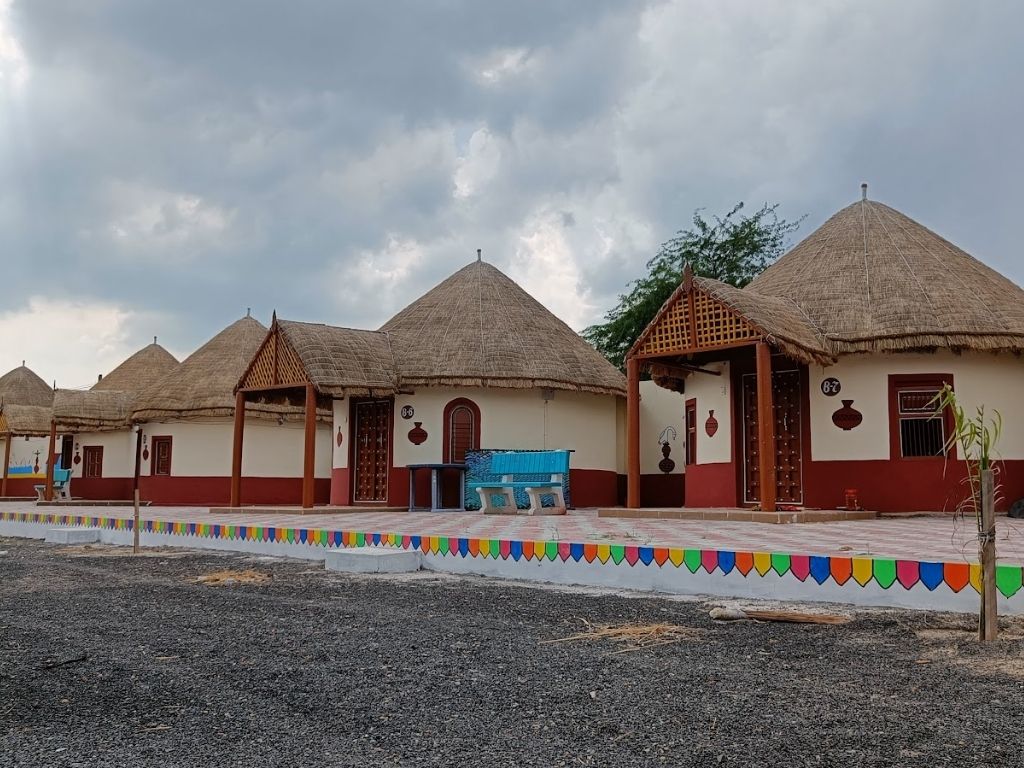
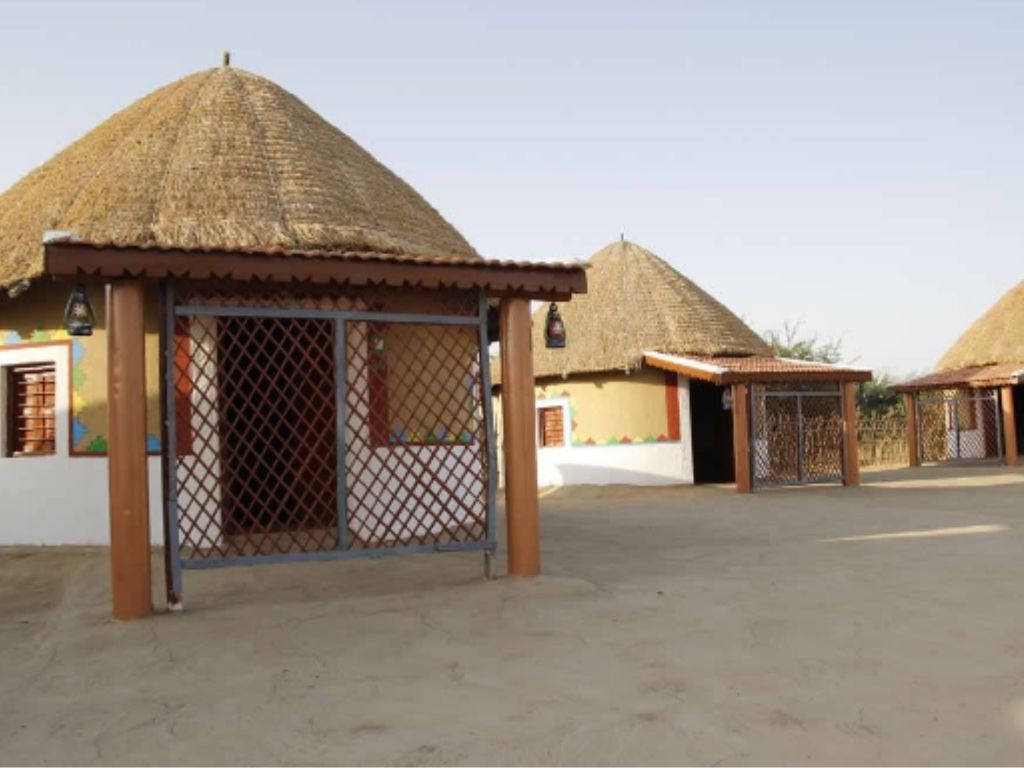
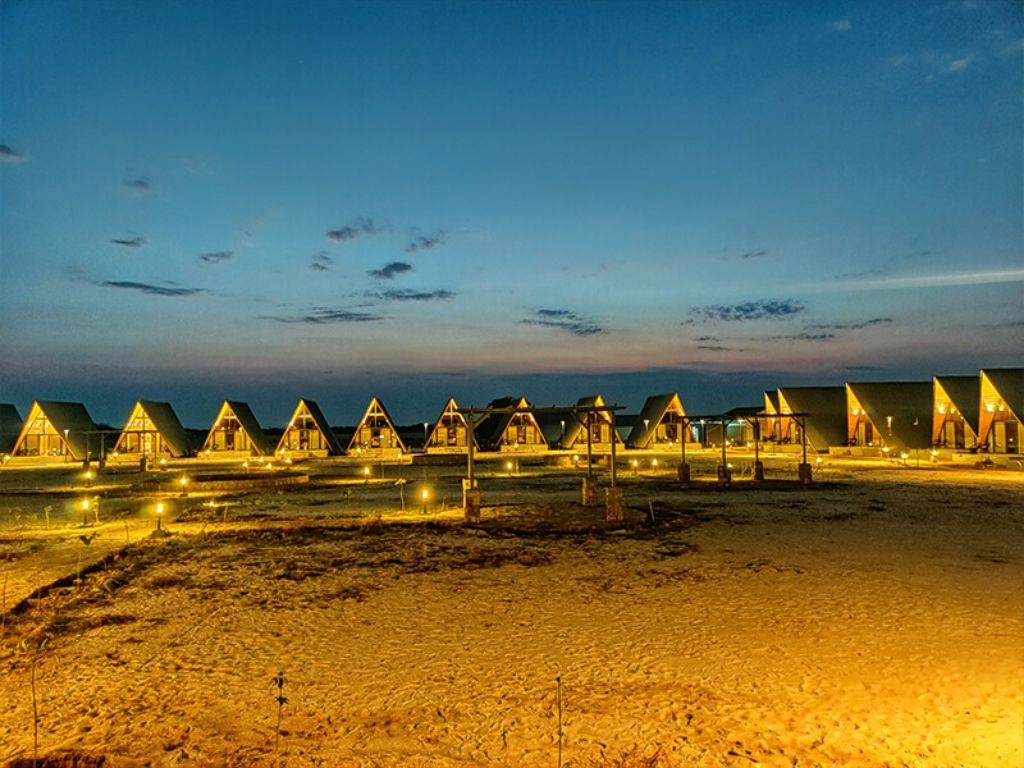
There are no hotels inside the reserve. The closest stays are resorts in Hodka (like Rann Visamo) or guest houses in Nakhatrana town.

10. Is photography allowed?

Yes, but you must pay a camera fee. Drones are strictly prohibited as they disturb the migratory birds and are a security risk in the border area.