Dholavira & The Road to Heaven

The Viral Drive through the Salt Lake & UNESCO World Heritage Site.

If you are on Instagram, you have surely seen the drone shots of a straight road cutting through endless blue water and white salt. That is the "Road to Heaven" (National Highway 754K). It connects the tourist hub of Dhordo to the ancient island city of Dholavira. This guide will help you plan the perfect day trip to witness this marvel and history.

1. The Drive: Road to Heaven (NH 754K)

Until 2022, reaching Dholavira from Bhuj/Dhordo took 6-7 hours via a long circular route through Rapar. The new road connects Khavda directly to Dholavira, cutting through the heart of the Rann Lake.

  • The Experience: For 30 kms, you have water and salt crusts on both sides. It feels like driving on the ocean.
  • Best Time: Drive during Sunrise or Sunset (Golden Hour). The reflection of the sun on the water creates a stunning mirror effect perfect for photography.
  • Caution: Do not stop your car in the middle of the lane for photos. It is a highway. Park only on the designated shoulders.

2. The UNESCO Site: Dholavira Ruins

This was one of the grandest cities of the Indus Valley Civilization (Harappan era, roughly 2650 BCE). It is massive. Do not just wander; here is what you must see:

The Reservoirs (Water Engineering):

Dholavira was a masterclass in water management. You will see massive rock-cut reservoirs that collected rainwater. It proves how advanced our ancestors were in surviving the desert drought.

The Citadel & Bailey:

Climb up to the Citadel (the castle where rulers lived). From here, you get a 360-degree view of the city layout, the stadium, and the surrounding Rann.

The Mystery Signboard:

Look for the famous "10-Letter Signboard" found on the ground. It is the world's oldest billboard. The script has still not been deciphered by historians.

Tip: Visit the on-site Museum first. Seeing the pottery, seals, and jewelry found here will give you context before you walk the ruins.


3. Hidden Gems: Beyond the Ruins

Most tourists turn back after the ruins. Don't make that mistake. Drive a little further to see:

Wood Fossil Park

Located about 10 km from the Dholavira ruins is a geological wonder. This park contains fossilized tree trunks from the Jurassic Era (approx 160 to 176 million years old). It proves that this barren desert was once a lush green forest where dinosaurs might have walked.

Chipper Point (Sunset)

If you are staying overnight, go to Chipper Point. It is a rocky plateau overlooking the Great Rann. The sunset here is dramatic, with the red sun dipping behind the endless salt horizon. It is much quieter than the sunset point at Dhordo.


Important Local Advice

Dholavira is an island (Khadir Bet) inside the desert. It is remote. Do not go unprepared.

No Fuel Stations

There are NO petrol pumps on the Road to Heaven stretch or inside Dholavira village. The last pump is at Khavda (40km away) or Rapar (80km away). If you run out of fuel, you are stuck. Tank up at Bhuj or Khavda.

Zero Network Zone

For about 40-50 km on the road, you will have zero mobile signal. Download offline maps on Google Maps before you start. Inform your family beforehand.

Recommended Itinerary

Leave Dhordo/Bhuj at 10:00 AM. Reach Dholavira by 12:30 PM. Explore the ruins & museum (2 hours). Lunch at a local homestay. Visit Fossil Park. Return via Road to Heaven during sunset (Golden Hour).
Book Tour with Dholavira

Packages Covering Dholavira


Explore Nearby


Frequently Asked Questions (FAQs)

1. What is the 'Road to Heaven' in Kutch?

It is a 30km stretch of the newly built National Highway 754K that cuts through the Great Rann of Kutch lake. With shimmering white salt and blue water on both sides, it creates a surreal, heavenly driving experience.

2. How far is Dholavira from Dhordo?

Thanks to the new road, the distance is now just 90-100 km. It takes about 2 to 2.5 hours to reach. Earlier, the route via Rapar was 280 km and took 6-7 hours.

3. Is there petrol available on this road?

No. There are zero fuel stations on the 30km Road to Heaven or inside Dholavira village. The last reliable pump is at Khavda. Ensure your tank is full before you cross Khavda.

4. What is special about Dholavira?

It is a UNESCO World Heritage Site. Dholavira was a major metropolis of the Indus Valley Civilization (Harappan Era), featuring advanced urban planning, reservoirs, and drainage systems dating back 4500 years.

5. Do I need a guide for the ruins?

Yes, highly recommended. The site is vast, and the stone structures can look confusing. A local guide (available at the entrance) will explain the significance of the reservoirs, the citadel, and the signboards.

6. Can I stay in Dholavira?

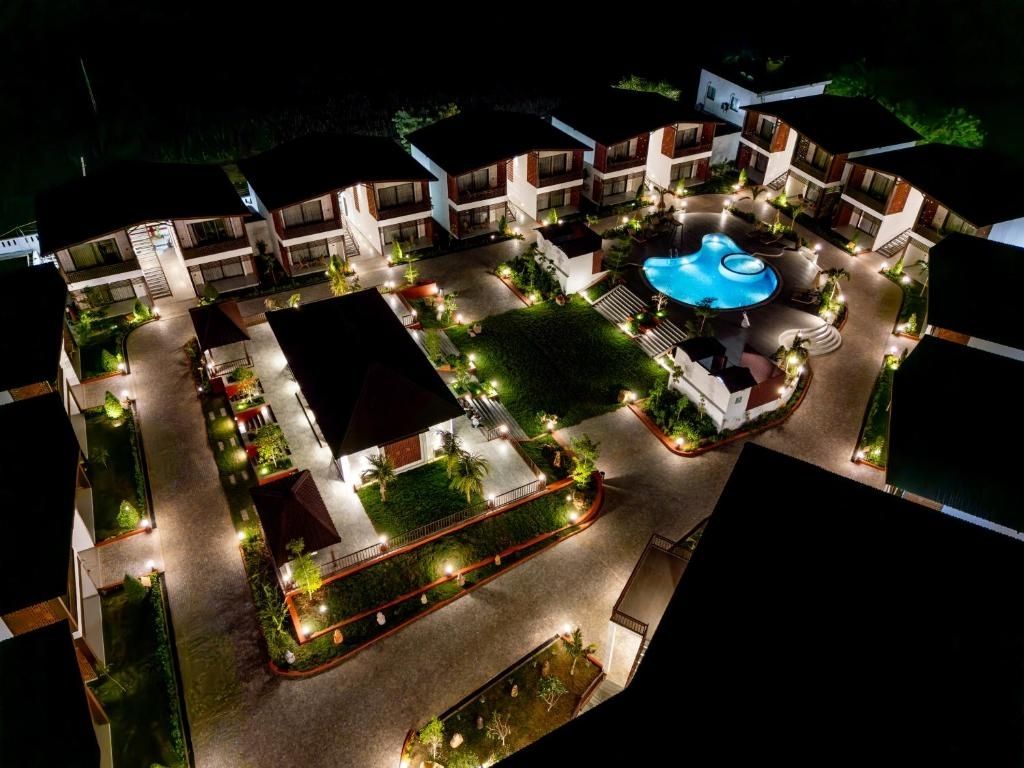
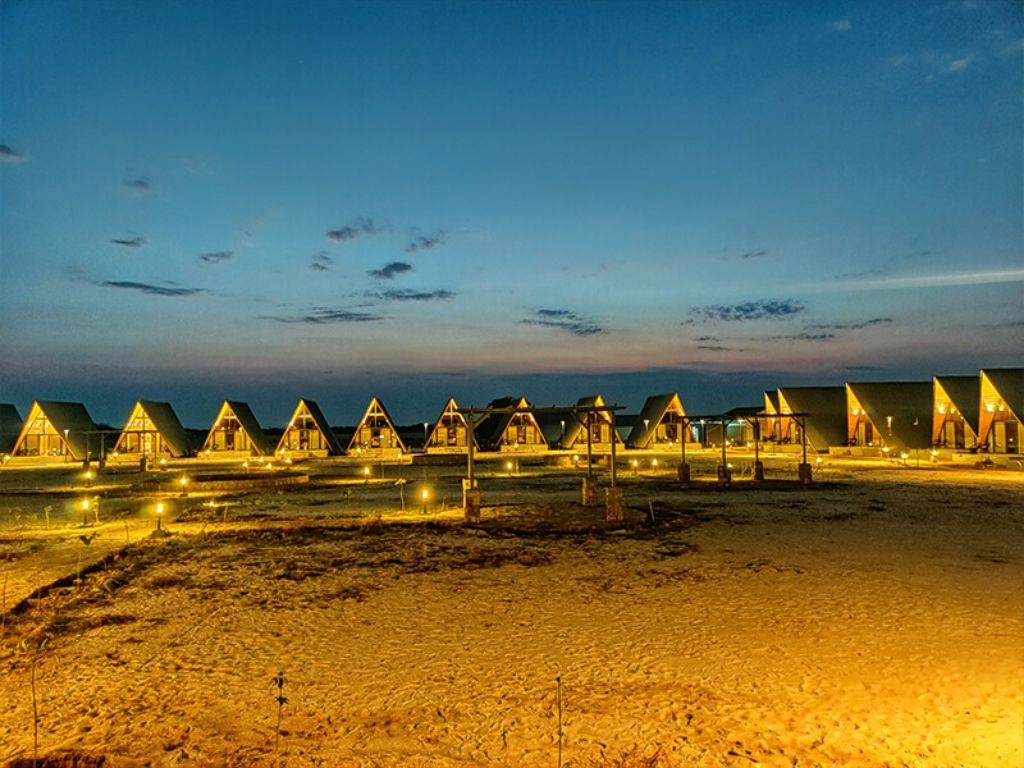
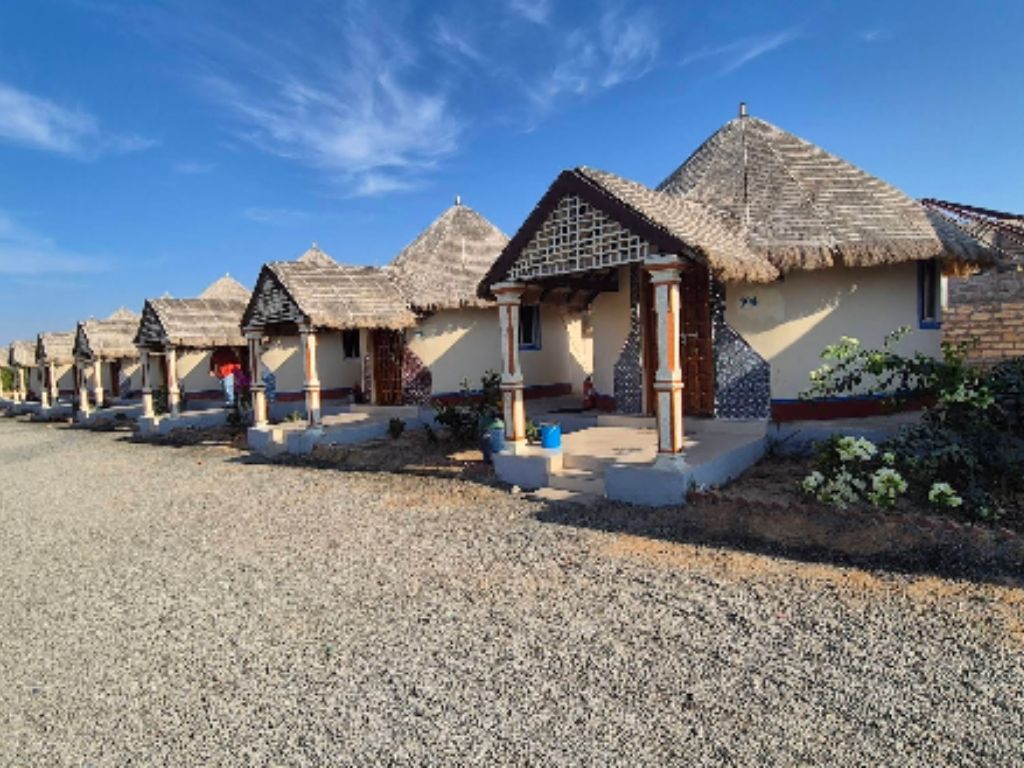
Yes. Unlike the empty desert, Dholavira has accommodation options like Praveg Resort (Luxury) and Ram Rann Resort (Mid-range Bhungas). Staying overnight is great for stargazing.

7. What is the Wood Fossil Park?

Located 10 km from Dholavira, this park contains fossilized tree trunks that are 160 million years old (Jurassic Era). It is a hidden gem often missed by tourists.

8. Is the road safe for small cars?

Yes. The road is a well-paved National Highway. Any hatchback or sedan can drive on it easily. Just be careful of strong crosswinds and do not drive off the road into the mud/salt.

9. Is there mobile network?

Network is extremely weak or non-existent on the Road to Heaven stretch. In Dholavira village, BSNL and Jio work intermittently. Do not rely on online payments; carry cash.

10. What is Chipper Point?

Chipper Point is a sunset viewpoint on the island. It offers a panoramic view of the Rann lake. The sunset here is distinct from the white desert sunset at Dhordo.

11. Are there washrooms on the way?

Facilities are scarce. There are no public restrooms on the Road to Heaven. You will find basic restrooms at the Dholavira Museum entrance or at the resorts in the village.

12. How much time is needed for the Dholavira ruins?

You need at least 2 to 3 hours to properly explore the museum and walk through the citadel and reservoirs. It involves a fair amount of walking under the sun.