Gandhi nu Gaam
Ludiya-Khavda, Gujarat, 370510
If you are planning to visit Gandhi nu Gaam, we at Rann Utsav Stays can help you plan your itinerary, arrange and book your stay and travel, or get you a customised tour package.
Gandhi nu Gaam, which was known as Ludiya, is a vibrant and visually stunning handicraft village. It stands as a powerful testament to human resilience, as it was rebuilt as a model village following the Bhuj earthquake in 2001.
A Village Reborn: The Inspiring Story of Gandhi nu Gaam
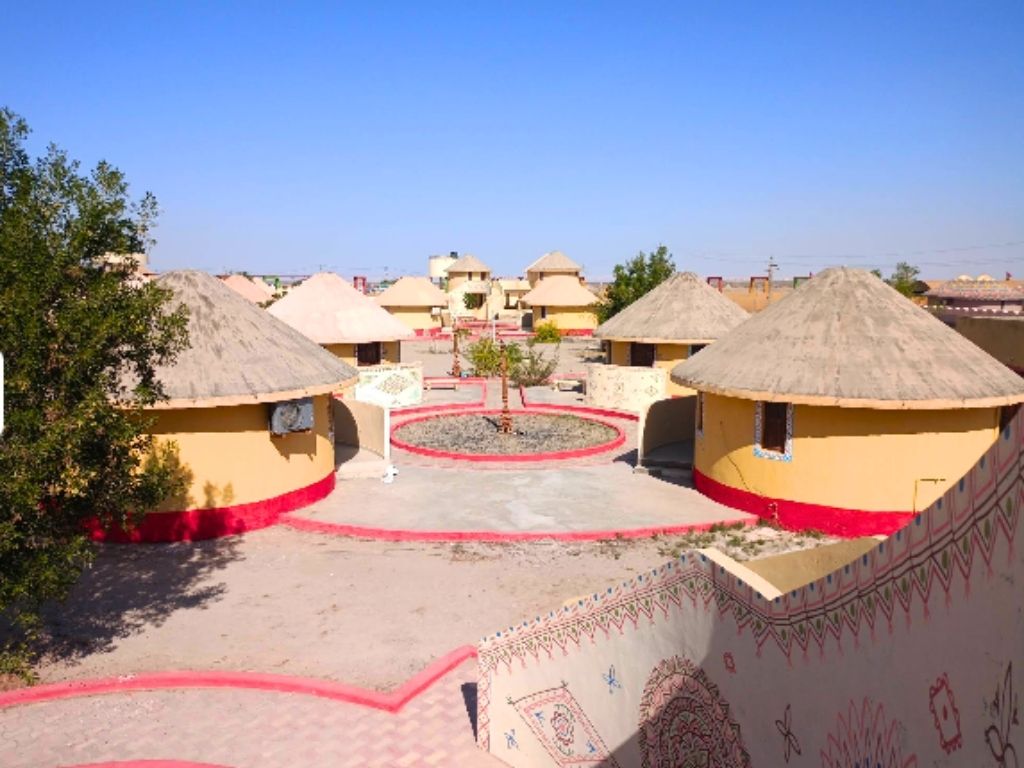
In the heart of Kutch, there is a village that is not just a showcase of traditional art, but a powerful symbol of human resilience and community spirit. Gandhi nu Gaam, also known as Ludiya, is a masterfully planned village that was reborn from the rubble of the devastating 2001 earthquake. It stands today as a vibrant testament to the strength of its people and the vision of its architects. Famous for its iconic, colourfully decorated circular mud huts ('Bhungas'), this village is a living, breathing art gallery and an inspiring story of hope. A visit here is more than just sightseeing; it's a chance to witness a community's triumph over tragedy and to experience the enduring beauty of Kutchi culture.
What Makes Gandhi nu Gaam a Special Place to Visit
This model village offers a unique and heartwarming experience that goes beyond its beautiful facade.
- A Story of Resilience: The village was completely rebuilt after the 2001 earthquake by the Vastu-Shilpa Foundation, with a design that honoured traditional architecture while incorporating modern planning. It's an inspiring example of disaster recovery.
- Iconic Bhunga Architecture: The village is famous for its beautiful 'Bhungas'. These circular, aesthetically pleasing huts are not just traditional but are also structurally resilient to earthquakes, a perfect blend of ancient wisdom and modern safety.
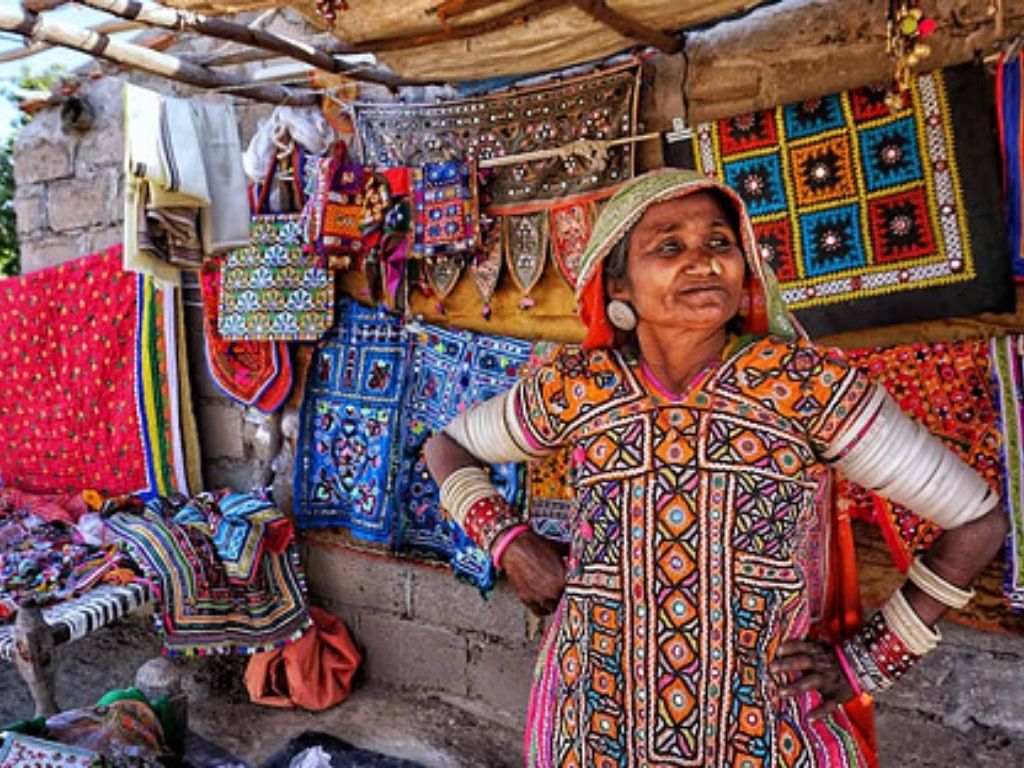
- A Hub of Exquisite Handicrafts: The village is home to the Meghwal artisan community, who are masters of intricate embroidery and Lippan (mud-mirror) art. The walls of every Bhunga are adorned with this stunning artwork. For a deeper dive into the original village, read about Ludiya Traditional Village.
- An Authentic Cultural Immersion: A walk through Gandhi nu Gaam is a chance to interact with the artisans, see them at work, and buy beautiful, authentic handicrafts directly from the hands that created them.
The Rebirth of a Village
The original village of Ludiya was devastated by the 2001 earthquake. In the aftermath, a massive rehabilitation project was undertaken. The new village, aptly named 'Gandhi nu Gaam' (Gandhi's Village) to honour the Mahatma's vision of self-reliant villages, was planned and executed with immense care. The design retained the traditional Bhunga as the primary housing unit but arranged them in clusters with shared courtyards, community spaces, and modern amenities like schools and health centers, creating a model for sustainable rural development.
The Experience: A Walk Through a Living Art Gallery
From the moment you enter Gandhi nu Gaam, you are surrounded by colour and creativity. The perfectly arranged Bhungas, each painted with unique patterns and adorned with shimmering mirror work, create a stunning visual spectacle. The women of the village, dressed in their own vibrant, embroidered attire, can often be seen working on their craft in the courtyards. They are generally welcoming to visitors who show a genuine interest in their art. You can request to see their work, which includes everything from embroidered wall hangings and garments to colourful bags and accessories. Buying a piece here is not just a purchase; it's a direct contribution to the livelihood of these talented artisans and the preservation of their incredible cultural heritage.
Gandhi nu Gaam: Key Information
| Location | Near Khavda, North Kutch. It is the rehabilitated village of Ludiya. |
| Timings | Best visited during the day (10:00 AM to 5:00 PM). |
| Entry Fee | Free. Purchasing handicrafts is the best way to support the community. |
| Time Required | 1 to 1.5 hours. |
| Famous For | Model village planning, Bhunga architecture, Meghwal embroidery, Lippan art. |
How Rann Utsav Stays Plans Your Cultural Immersion
A visit to Gandhi nu Gaam is an inspiring and essential part of any artisan village tour. At Rann Utsav Stays, we craft itineraries that showcase these unique cultural stories. A trip to Gandhi nu Gaam is often included in our packages that explore North Kutch, combining it with a visit to Kalo Dungar and the White Rann. We provide knowledgeable guides who can share the powerful story of the village's reconstruction, making your visit a deeply meaningful experience.
Guest Reviews & Ratings
Rann Utsav Stay Options

Frequently Asked Questions
What is a 'Bhunga'?
A 'Bhunga' is a traditional, circular mud hut with a conical thatched roof, which is the signature architectural style of the Kutch desert region. They are known for being naturally cool in the summer and are structurally very stable, making them resistant to earthquakes.
Is Gandhi nu Gaam the same as Ludiya village?
Yes. Ludiya is the original name of the village. After it was destroyed in the 2001 earthquake, the newly rebuilt and master-planned village was named Gandhi nu Gaam. The names are often used interchangeably.
What is the best way to interact with the artisans?
The best way is to be respectful and show genuine interest. A smile goes a long way. You can ask to see their work, compliment their skill, and if you wish to buy something, offer a fair price. Visiting with a local guide can help facilitate communication.
Can I take photographs in the village?
Yes, you can take photographs of the houses and the general surroundings. However, it is very important to always ask for permission before taking close-up pictures of the residents, especially the women, as a sign of respect.
What kind of handicrafts can I buy in Gandhi nu Gaam?
The village is most famous for its exquisite hand embroidery, done by the women of the Meghwal community. You can buy embroidered textiles, wall hangings, cushion covers, bags, and traditional garments. Small pieces of Lippan (mud-mirror) art are also available.