Rann of Kutch
Dhordo, 370501
If you are planning to visit Rann of Kutch, we at Rann Utsav Stays can help you plan your itinerary, arrange and book your stay and travel, or get you a customised tour package.
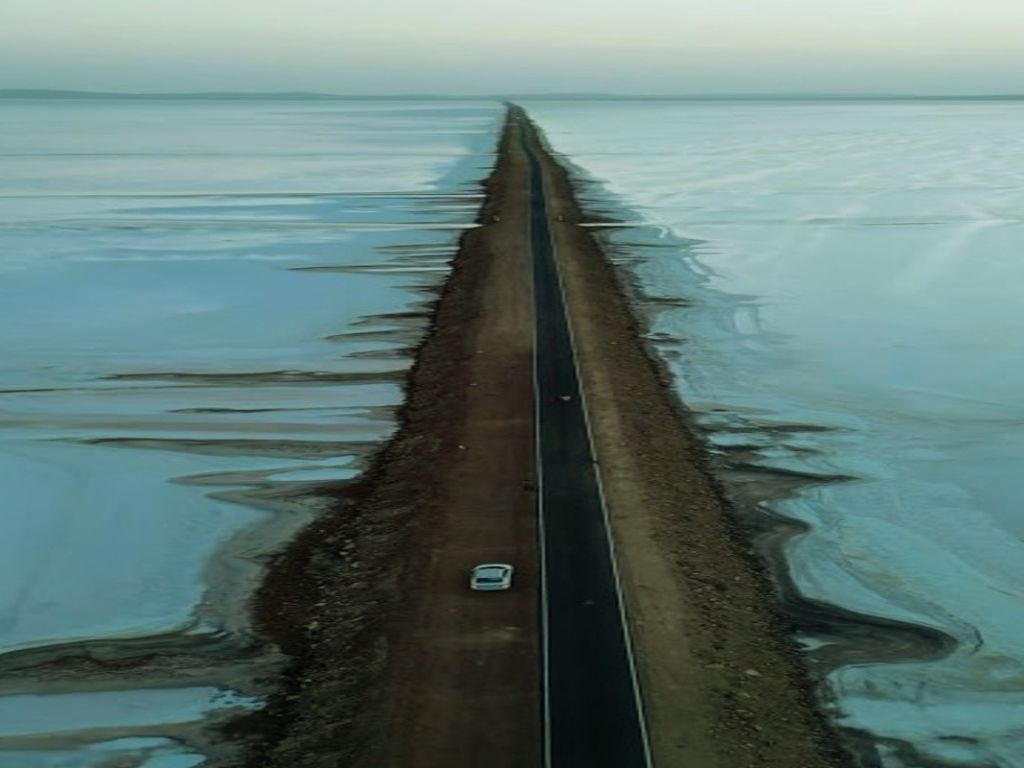
Nothing can quite prepare you for your first sight of the Great Rann of Kutch. It's a massive, endless expanse of salt marsh that dries up in the winter, leaving behind a crust of pure white salt. It feels like you’re on another planet. Standing in the middle of this vast, white nothingness, with the sky stretching out forever, is a truly humbling and unforgettable experience.
A Land of Stark Beauty and Vibrant Life: An Introduction to the Rann of Kutch
The Rann of Kutch is not just a destination; it's an experience that defies definition. It is a vast, otherworldly landscape of salt-encrusted desert, seasonal wetlands, and arid grasslands that transforms with the seasons. Encompassing a massive area in western Gujarat and spilling into Pakistan, this unique region is divided into two main parts: the Great Rann and the Little Rann. From the dazzling white desert carnival of the Rann Utsav to the untamed wilderness of the Wild Ass Sanctuary, the Rann of Kutch is a land of dramatic contrasts, profound beauty, and a culture as resilient and colourful as the land itself.
The Two Faces of the Rann: Great Rann vs. Little Rann
While often spoken of as one, it's essential to understand the two distinct regions that make up the Rann of Kutch.
- The Great Rann of Kutch (GRK): This is the iconic, vast expanse of pure white salt desert that is world-famous. It is the heart of the Rann Utsav and the prime location to witness the magical moonlit landscape. The GRK is primarily a scenic and cultural destination, also encompassing the ancient Harappan city of Dholavira.
- The Little Rann of Kutch (LRK): Located to the southeast of the GRK, the Little Rann of Kutch is a vast, cracked mudflat. It is primarily a wildlife destination, famous as the world's last refuge of the Indian Wild Ass. It offers a raw, rugged safari experience focused on flora and fauna.
The Unique Ecology: How the Rann is Formed
The Rann of Kutch is one of the largest salt deserts in the world. Its unique landscape is the result of a fascinating natural cycle. For most of the year, it is a vast, hyper-arid plain. However, during the monsoon season (June to September), the entire region is flooded by the waters of the Arabian Sea and the rivers that drain into it, transforming it into a massive, shallow wetland. When the water recedes in the winter, it leaves behind a breathtaking crust of brilliant white salt. This seasonal transformation is what makes the Rann a crucial habitat for migratory birds and creates its iconic winter landscape.
Exploring the Rann: A Snapshot
| Feature | Great Rann of Kutch | Little Rann of Kutch |
|---|---|---|
| Main Attraction | White Salt Desert, Rann Utsav | Indian Wild Ass Sanctuary |
| Landscape | White Salt Flats | Cracked Mudflats |
| Primary Experience | Cultural & Scenic | Wildlife Safari |
| Main Hub | Dhordo / Bhuj | Dasada / Zainabad |
How Rann Utsav Stays Helps You Experience the Entire Rann
The Rann of Kutch is a vast and diverse region, and planning a trip to cover its different facets can be challenging. At Rann Utsav Stays, we are experts in this unique geography. Our primary focus is on providing the best experience of the Great Rann through our Rann Utsav packages. However, we also specialize in creating extended, customized itineraries that can include a wildlife safari in the Little Rann, a historical expedition to Dholavira, and a coastal tour of Mandvi. We provide the expertise and logistical support to help you explore the complete, magnificent world of the Rann of Kutch.
Guest Reviews & Ratings
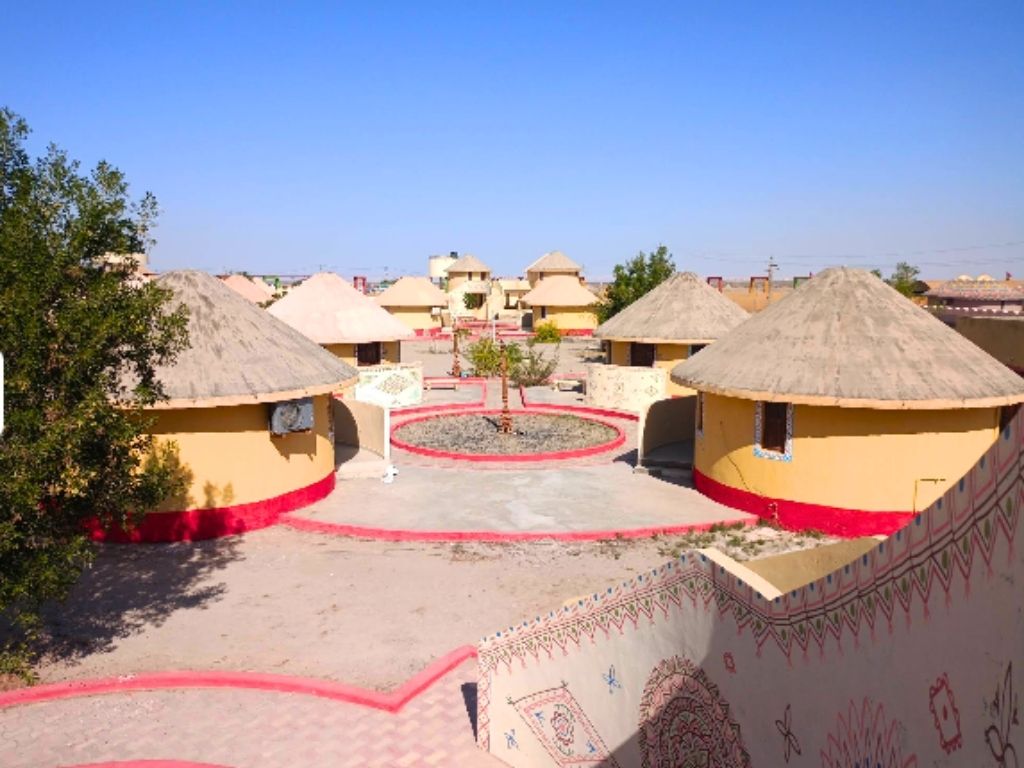
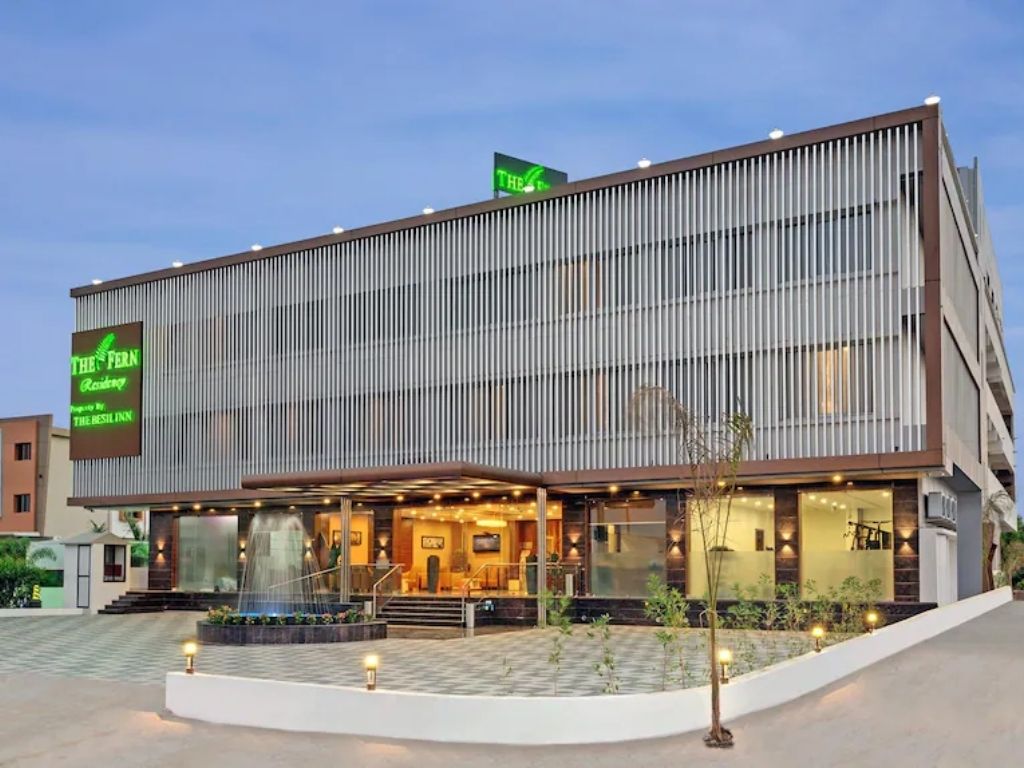
Rann Utsav Stay Options


Frequently Asked Questions
Is the Rann of Kutch a desert in the traditional sense, with sand dunes?
No, the Rann of Kutch is not a sandy desert like the Thar Desert in Rajasthan. It is a salt marsh or a salt desert, which is a flat, barren expanse of saline clay and mudflats. This is what makes its landscape so unique.
When is the best time to visit the Rann of Kutch?
The best time to visit is during the winter, from October to March. This is when the water from the monsoon has receded, leaving the salt crust, the weather is pleasant, and the Rann Utsav is in full swing.
Do I need a permit to visit the Rann of Kutch?
Yes, a permit is required to visit the border areas of the Great Rann of Kutch, including the White Desert near Dhordo. The Little Rann of Kutch also requires a permit as it is a protected sanctuary. These are usually arranged by your tour operator.
Is it possible to visit both the Great Rann and the Little Rann in one trip?
Yes, it is possible, but it requires careful planning and a longer itinerary. A trip of at least 4-5 days would be needed to comfortably cover the highlights of both regions, as they are a significant distance from each other.
What is the 'Rann' part of 'Rann of Kutch' famous for?
The 'Rann' is famous for its unique geography. It is one of the largest salt deserts in the world, its surreal white landscape under the sun and moon, and the vibrant Rann Utsav festival that is held there every winter.