Siyot Caves
Atdo, Gujarat 370627
If you are planning to visit Siyot Caves, we at Rann Utsav Stays can help you plan your itinerary, arrange and book your stay and travel, or get you a customised tour package.
Long before the maharajas built their palaces and the merchants established their ports, a different community sought peace in the rocky landscape of Kutch. The Siyot Caves are a window into that forgotten era. Carved into a small hill in a remote corner of the district, these ancient caves were once a thriving Buddhist monastery, dating back as far as the 1st century AD. It’s not a grand or ornate site, but a quiet, atmospheric place that lets you connect with a deep layer of Kutch's history that most visitors completely miss.
A Journey into Kutch's Silent Past: The Ancient Siyot Buddhist Caves
Venture deep into the western reaches of Kutch to uncover a hidden chapter of the region's history, carved in stone and shrouded in the silence of centuries. The Siyot Caves, also known as the Kateshwar Buddhist Caves, are a rare and precious glimpse into a time when Buddhism flourished in this arid land. Dating back to the 1st century AD, this ancient rock-cut monastery is one of the most important archaeological sites in the region. A visit here is not about grandeur or crowds; it's an off-the-beaten-path adventure for the true history enthusiast, an opportunity to stand in a place of ancient worship and feel the echoes of a forgotten era.
What Makes the Siyot Caves a Fascinating Discovery
This archaeological site offers a unique and contemplative experience for those willing to seek it out.
- A Glimpse into Buddhist History: The caves are one of the few remaining evidences of a thriving Buddhist community in Kutch during the early centuries AD, offering a fascinating contrast to the region's dominant Hindu and Jain heritage.
- Ancient Rock-Cut Architecture: The main cave features a sanctum and an ambulatory path, a classic design for a Buddhist monastery. The simplicity and antiquity of the rock-cut structure are awe-inspiring.
- An Off-the-Beaten-Path Adventure: Located in a remote area, the journey to Siyot Caves is an adventure in itself, taking you through the rustic, untrodden landscapes of western Kutch.
- A Place of Serene Contemplation: Free from commercialization and crowds, the caves offer a profoundly peaceful and meditative atmosphere, allowing you to connect with the site's ancient spiritual energy.
History and Significance
The Siyot Caves are believed to have been carved during the Western Satrap period. Some historians and archaeologists connect this site to the travels of the famous 7th-century Chinese pilgrim, Xuanzang (Hiuen Tsang), who mentioned a Buddhist monastery in his writings about this region. The discovery of seals with Brahmi and Nagari scripts, along with various pottery remains, confirms the site's antiquity and importance. Today, protected by the Archaeological Survey of India, the caves stand as a silent testament to the rich, multi-layered history of Kutch. A visit here can be logically combined with a tour of the historic ghost town and fort of Lakhpat.
The Experience: An Archaeologist for a Day
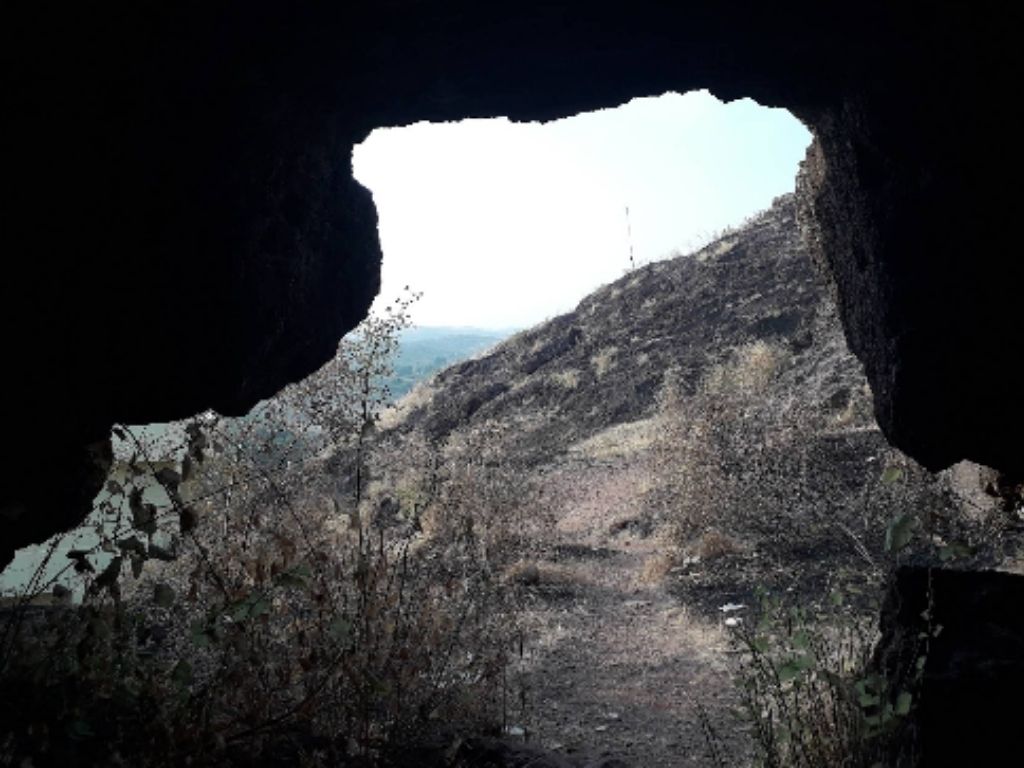
Your visit to Siyot Caves will feel like a personal discovery. The site is unassuming, located amidst sparse, rocky terrain. As you approach the rock face, you'll see the entrances to the caves. The main cave is the most impressive, with its rock-cut pillars and sanctum. As your eyes adjust to the cool, dim interior, you can trace the marks of the ancient tools used to carve the cave out of the living rock. It's a raw, authentic historical experience that feels a world away from the curated displays of a museum. The silence of the place allows your imagination to wander, picturing the monks who once lived, meditated, and prayed in these very chambers.
Siyot Caves: Key Information
| Location | Near Siyot village, Lakhpat Taluka, Kutch District. |
| Timings | Open all day (Best visited during daylight hours). |
| Entry Fee | Free. |
| Time Required | 30 to 45 minutes at the site. It requires a significant drive as part of a day trip. |
| Famous For | Ancient Buddhist Caves, Rock-Cut Architecture, Archaeological Site. |
How Rann Utsav Stays Guides You to the Unseen Kutch
Exploring Kutch's remote archaeological treasures like Siyot Caves requires local knowledge and reliable transport. At Rann Utsav Stays, we specialize in crafting unique itineraries that go beyond the usual tourist spots. We can design a fascinating West Kutch historical tour that includes the Siyot Caves, Lakhpat Fort, and the holy lake of Narayan Sarovar. Our experienced drivers and comfortable vehicles make these remote journeys a pleasure, allowing you to uncover the hidden layers of Kutch's incredible history.
Guest Reviews & Ratings
Rann Utsav Stay Options


Frequently Asked Questions
Are the Siyot Caves natural or man-made?
The caves are man-made. They are an example of 'rock-cut' architecture, where monks and artisans painstakingly carved the monastery out of a natural rock formation.
Are there intricate carvings or paintings in the Siyot Caves?
Unlike famous cave sites like Ajanta, the Siyot Caves are very simple and largely unadorned. Their beauty lies in their antiquity, their architectural form (sanctum and ambulatory), and their raw, spiritual atmosphere, not in elaborate carvings or paintings.
How do I get to Siyot Caves?
The caves are in a remote location in western Kutch. The best and only practical way to visit is by hiring a private taxi for a full-day trip from Bhuj. A tour package from Rann Utsav Stays can seamlessly include this site in a larger itinerary.
Are there any facilities like guides or restrooms at the Siyot Caves?
No, Siyot Caves is a basic archaeological site with no tourist facilities. There are no guides, restrooms, or shops. Visitors must be self-sufficient and carry their own water and snacks.
What other places can I visit along with Siyot Caves?
Siyot Caves is best visited as part of a full-day tour of West Kutch. A typical itinerary would combine the caves with a visit to the historic Lakhpat Fort, the holy Narayan Sarovar Lake, and the Koteshwar Mahadev Temple.