
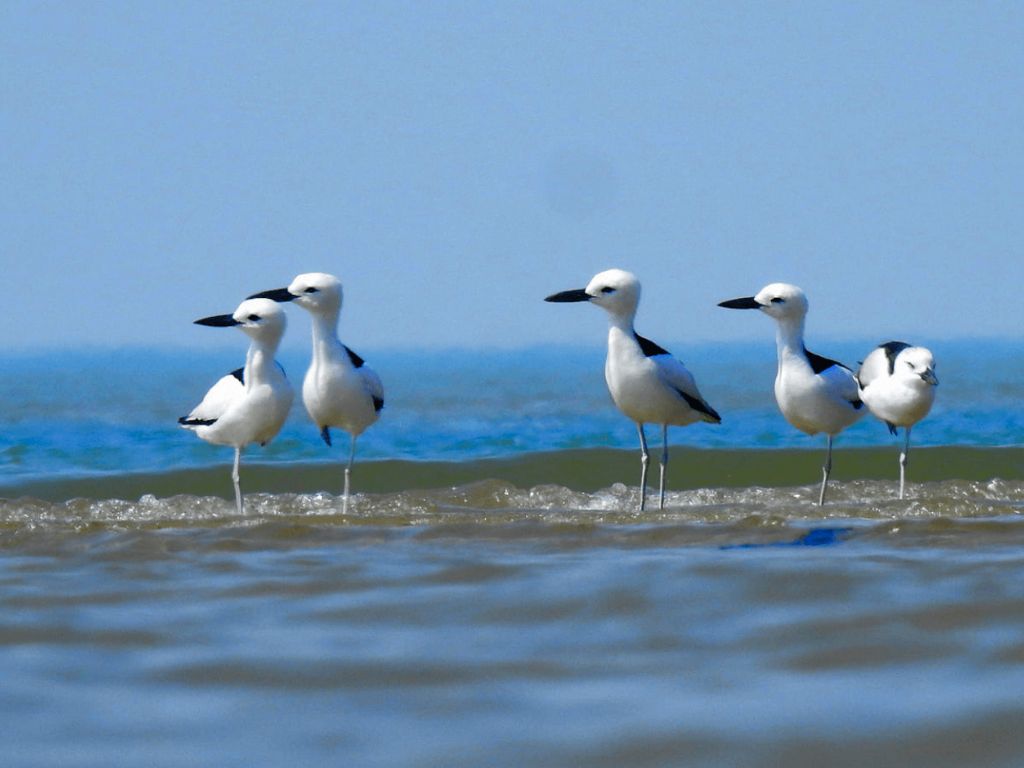
Wildlife & Bird Watching in Kutch
Nature
Experience the enchanting White Desert Moonlight Experience during Rann Utsav in Rann of Kutch, under the serene glow of the moonlit desert skies. We at Rann Utsav Stays offer exclusive tour packages featuring the magical White Desert Moonlight Experience. Enjoy peaceful moonlit walks, stargazing, and desert tranquility while staying in comfortable accommodations nearby. This unique experience blends nature’s beauty with cultural immersion, perfect for travelers seeking serene moments at Rann Utsav.
If you are looking for Tour Package that helps you experience Rann of Kutch along with all the exciting Things-to-do, we have packages specially designed to suit your needs. Here you can select Resorts as per your budget and preferences, choose train, flight or bus travel, or hire a private car. You also get to customise the itinerary and number of days you wish to stay.
Beyond the White: Discover the Wild Heart of Kutch
While the Rann of Kutch is famed for its endless salt desert, it is also a fragile and unique ecosystem that explodes with life, especially during the winter months. This vast region, encompassing arid grasslands, seasonal wetlands, and desert plains, is a globally recognized biodiversity hotspot. A tour for wildlife and bird watching in Kutch is a journey into a different world, where vast flocks of flamingos paint the horizon pink and the rare Indian Wild Ass gallops freely. It’s an essential experience for any nature lover, offering a chance to witness some of the most spectacular and rare species of the Indian subcontinent.
Why Kutch is a Premier Wildlife & Birding Destination
Kutch's unique geographical location and diverse habitats make it a magnet for wildlife, particularly migratory birds escaping the harsh Siberian winter.
- A Confluence of Ecosystems: The region features the Banni Grasslands, one of Asia's largest tropical grasslands, and the Chari-Dhand wetlands, a seasonal marsh that becomes a haven for waterfowl.
- Home to Endemic & Endangered Species: Kutch is the last remaining home of the majestic Indian Wild Ass (Ghudkhar) and provides a critical habitat for the critically endangered Great Indian Bustard.
- A Migratory Superhighway: Every winter, hundreds of thousands of birds, including cranes, pelicans, flamingos, and raptors, make Kutch their temporary home, creating a breathtaking ornithological spectacle.
- Vast, Open Landscapes: The wide-open terrain of the sanctuaries makes spotting wildlife and birds relatively easy, offering incredible opportunities for photography.
Key Wildlife Sanctuaries and Birding Hotspots
To experience the best of Kutch's wildlife, you need to explore its designated sanctuaries. A Jeep Safari is the best way to navigate these vast areas.
1. Indian Wild Ass Sanctuary: Located in the Little Rann of Kutch, this is the only place on Earth where you can see the handsome 'Ghudkhar'. The safari here takes you across a cracked, dry seabed landscape that is as fascinating as the animal itself.
2. Chari-Dhand Wetland Conservation Reserve: 'Chari' means salt-affected and 'Dhand' means shallow wetland. In winter, this area transforms into a birdwatcher's paradise, famous for its massive flocks of Greater and Lesser Flamingos, Common Cranes, and pelicans.
3. Kutch Bustard Sanctuary (Lala Sanctuary): A small, protected area dedicated to conserving the Great Indian Bustard, one of the world's rarest birds. Spotting one here is a matter of luck but is an ultimate prize for any birder.
4. Banni Grasslands Reserve: This unique grassland ecosystem is a prime location for spotting raptors like the Tawny Eagle and Steppe Eagle, as well as elusive mammals like the Desert Fox, Indian Wolf, and Caracal.
Kutch Wildlife at a Glance
| Location | Famous For |
|---|---|
| Indian Wild Ass Sanctuary | Indian Wild Ass (Ghudkhar), Desert Fox |
| Chari-Dhand Wetlands | Flamingos, Cranes, Pelicans, Ducks |
| Banni Grasslands | Eagles, Harriers, Indian Wolf, Chinkara |
| Kutch Bustard Sanctuary | Great Indian Bustard (critically endangered) |
Tips for a Fruitful Wildlife Excursion
- Best Season: The best time for wildlife and bird watching is from November to March, when the migratory birds are present and the weather is pleasant.
- Hire a Local Guide: A knowledgeable local guide is essential. They can identify species and know the best spots to find them, drastically increasing your chances of good sightings.
- Essential Gear: Carry a good pair of binoculars. For photographers, a telephoto lens (300mm or more) is crucial.
- Be Patient and Silent: Wildlife spotting requires patience. Maintain silence and avoid sudden movements to prevent scaring the animals and birds away.
At Rann Utsav Stays, we cater to all types of travelers, including passionate nature lovers. We can organize dedicated wildlife and birding tours as part of your Rann Utsav package. Our expert partners provide experienced guides and comfortable safari vehicles, ensuring you have an insightful and successful excursion into the wild heart of Kutch.
Guest Reviews & Ratings
Nearby Stay Options



Frequently Asked Questions
What is the best time of year for bird watching in Kutch?
The absolute best time is from December to February. This is the peak winter season when the population of migratory birds, including flamingos and cranes, is at its highest.
Do I need a permit to enter the wildlife sanctuaries?
Yes, permits are required to enter most protected areas like the Indian Wild Ass Sanctuary and the Kutch Desert Wildlife Sanctuary. These can be obtained at the entry points. A good tour operator, like Rann Utsav Stays, will handle all permit formalities for you.
How far are these sanctuaries from the Rann Utsav at Dhordo?
The distances vary. The Banni Grasslands and Chari-Dhand are relatively close to the Dhordo region. The Indian Wild Ass Sanctuary (in the Little Rann) and Kutch Bustard Sanctuary are further away and require a dedicated day trip.
What should I wear for a wildlife safari in Kutch?
Wear comfortable clothes in neutral, earthy colours (like khaki, beige, or olive green) to blend in with the surroundings. It can be very cold in the early mornings, especially in an open jeep, so dress in warm layers.
Besides birds and wild ass, what other animals can I see?
While they are more elusive, you have a chance of spotting other mammals like the Desert Fox, Jungle Cat, Chinkara (Indian Gazelle), Nilgai (Blue Bull), and if you are extremely lucky, the Indian Wolf or Caracal.