Best Time to Visit Rann of Kutch

Weather, Moon Phases, and Crowd Levels Explained.

The Great Rann of Kutch is a seasonal beauty. You cannot visit it all year round. The White Desert is submerged in water during the monsoon and becomes a burning oven in summer. The Rann Utsav officially runs from late October to March. But even within these months, your experience will change drastically depending on when you go. Here is the honest breakdown.

The Short Answer

If you want the best weather, go in December or January. It will be freezing cold, but festive.
If you want lower prices and fewer crowds, go in February or March.
If you want to see the White Rann glowing, you must go during the Full Moon.


Month-by-Month Breakdown

November: The Season Begins

  • Pros: The festival just starts. Fresh energy. Less crowd compared to December.
  • Cons: In early November, the salt marsh might still be a bit wet or muddy in patches. You might not get that "infinite hard white desert" feel if the monsoon was late.
  • Weather: Pleasant days, cool nights (15°C).

December & January: Peak Season

  • Pros: This is the real winter experience. The desert is perfectly dry and white. The cultural programs are at their best.
  • Cons: Extremely crowded, especially during Christmas and New Year. Hotel prices are at their highest.
  • Weather: Cold! Night temp drops to 4°C - 8°C. You need heavy woolens.

February: The Sweet Spot

  • Pros: The crowd thins out. You can take photos without 50 people in the background. Hotel rates start dropping slightly.
  • Cons: By late February, afternoons start getting a bit warm.
  • Weather: Perfect. Cool nights (12°C) and warm days.

March: The Closing

  • Pros: Cheapest rates. Great for budget travelers.
  • Cons: It gets hot. Day temperatures cross 30°C-35°C. You can only visit the desert early morning or late evening.

Expert Advice: Moon Phases Matter

Most people blindly book dates, but the Moon Phase completely changes how the desert looks at night.

The "Full Moon" Experience

Best For: Romantic couples and families.
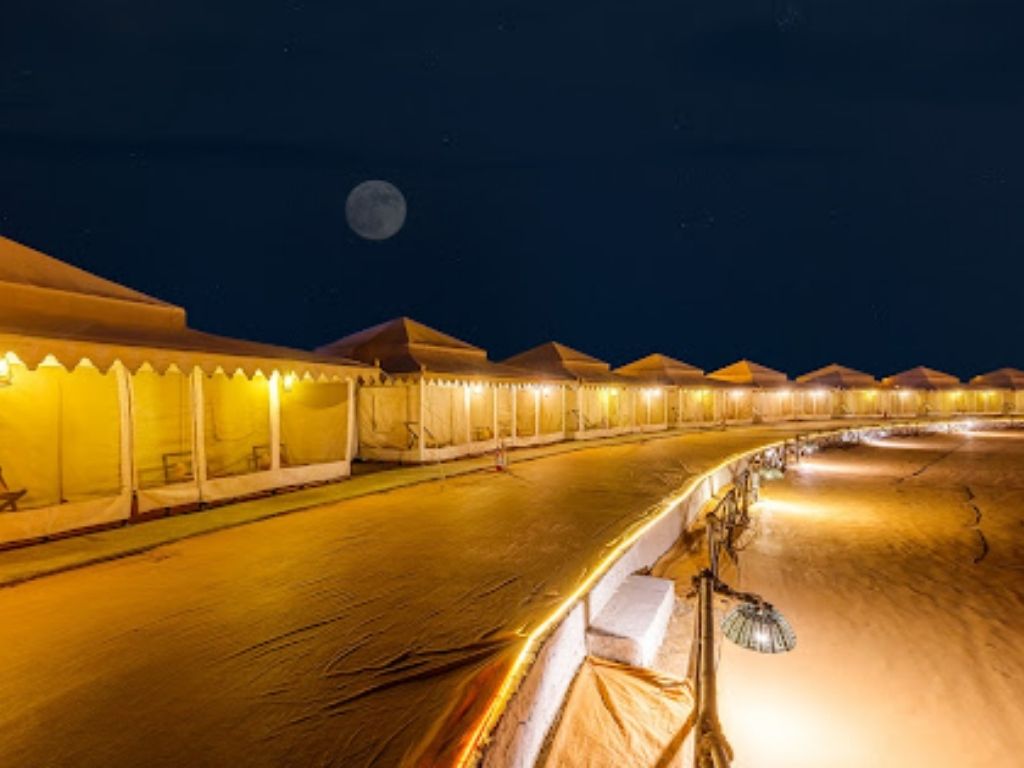
The white salt reflects the moonlight, making the desert look like a glowing blue ice field. You don't even need a torch. It is magical.

The "Dark Moon" Secret

Best For: Stargazers and Photographers.
When there is no moon, the sky in Kutch is incredibly dark. You can see the Milky Way with your naked eye. It is the best time for astrophotography.

Book Accordingly with RannUtsavStays.com

We classify our packages based on these dates so you know exactly what you are paying for.

  • Full Moon Packages: Premium pricing, high demand. Must book 2-3 months prior.
  • Regular Dates: Standard pricing, relaxed availability. Great for peace lovers.
Check Full Moon Dates 2025-26

Packages for Every Season


Plan Your Experience


Frequently Asked Questions (FAQs)

1. What is the best month to visit Rann of Kutch?

December and January are the best if you enjoy cold weather and a festive atmosphere. February is best if you prefer fewer crowds.

2. Is it better to visit during Full Moon or Dark Moon?

It depends. Full Moon is magical as the desert glows white. Dark Moon is incredible for stargazing as the lack of light pollution reveals millions of stars.

3. Is Rann Utsav open in October?

Yes, it usually starts in late October. However, be aware that the salt might still be wet/marshy from the monsoon, so you might not be able to walk deep into the desert.

4. How cold does it get in Rann of Kutch?

Very cold! In Dec-Jan, night temperatures drop to 4°C to 8°C. The open desert is windy, making it feel even colder. Carry thermal wear.

5. Can we visit Rann of Kutch in Summer?

No. Rann Utsav closes by mid-March. After that, temperatures hit 45°C, and the reflection from the white salt becomes blindingly hot and dangerous.

6. When are the hotel rates cheapest?

Rates are lowest in November (start of season) and March (end of season). Rates are highest during Christmas, New Year, and Full Moon dates.

7. Does it rain during Rann Utsav?

Rain is extremely rare in Kutch during winter (Nov-Feb). You can expect clear, sunny days and crisp, cold nights.

8. Is the White Desert visible throughout the year?

No. In monsoon (June-Sept), the desert is filled with water. It dries up by October to form the white salt crust. That is why the festival is seasonal.

9. What is the best time for photography?

Sunrise (around 7:00 AM) and Sunset (around 6:00 PM) offer the best light. The white ground acts as a natural reflector, making portraits look amazing.

10. Is Holi a good time to visit?

Holi usually falls in March. It marks the end of the season. While it is a colorful time to be there, be prepared for warmer days (30°C+).