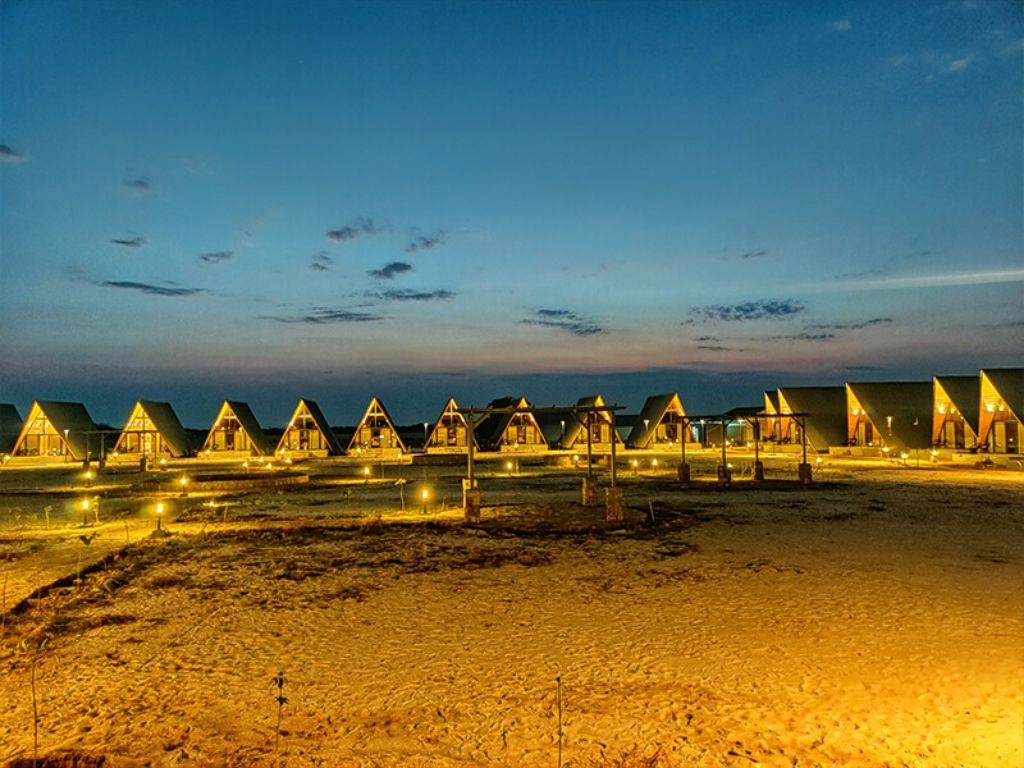
1. The "Exposure" Challenge
The biggest mistake beginners make is trusting Auto Mode. The camera sees all the white salt, thinks the scene is "too bright," and lowers the exposure.
The Fix: Use Exposure Compensation. Dial it up to +1.0 or +1.7 EV. This forces the camera to let in more light, making the white look truly white.
2. Capturing the Night: Astrophotography
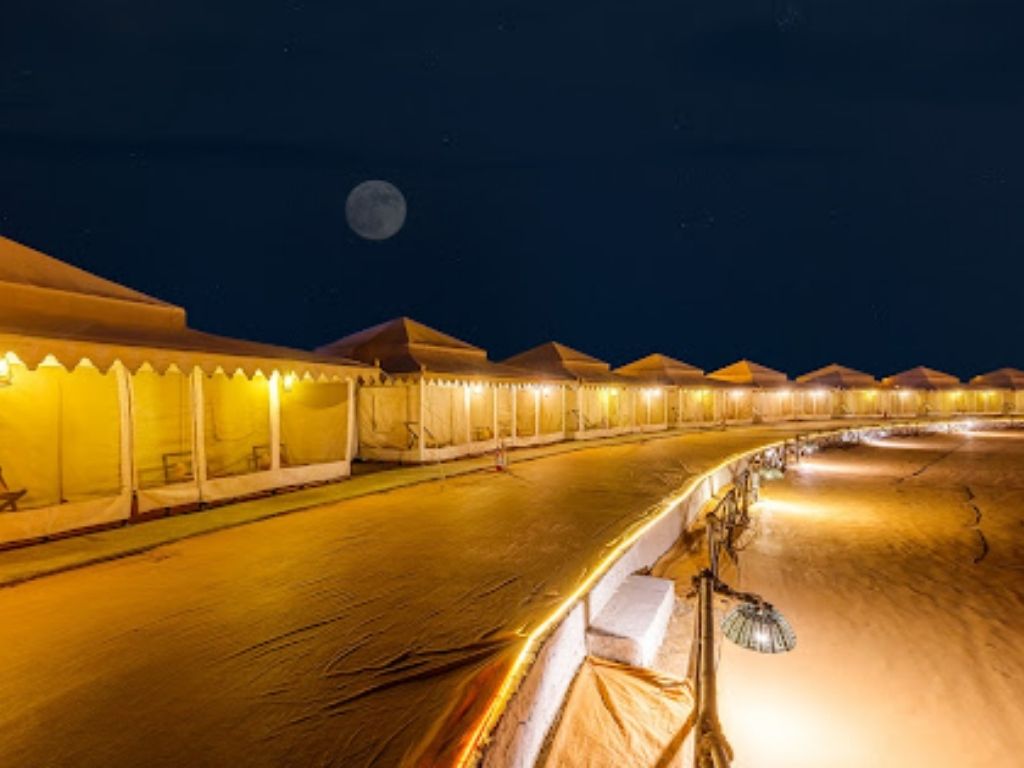
Kutch is one of the few places in India with minimal light pollution (Dark Sky Zone). You can see the Milky Way arching over the desert.
Avoid the Full Moon if you want stars. The moon is too bright and washes out the stars. Visit during the New Moon (Amavasya) phase.
Move away from the Tent City / Resort lights. Walk about 500 meters into the salt desert (with a guide/torch) to get pitch darkness.
Manual Mode. Wide lens (14mm-24mm). Aperture f/2.8 (widest possible). ISO 1600-3200. Shutter Speed 20-25 seconds. Use a Tripod.
3. The Golden Hours & Locations
Timing is everything. The white salt looks flat and boring at noon. It comes alive when the sun is low.
- Sunrise (6:30 AM): Go to the White Desert view point. The salt crystals sparkle like diamonds as the first light hits them.
- Sunset (6:00 PM): Head to Kalo Dungar. The top-down view of the sun sinking into the Rann lake is dramatic.
- Road to Heaven: Drive to the Dholavira Road. Stop safely on the shoulder. The reflection of the blue sky on the water on both sides of the road creates a perfect symmetry shot.
Expert Gear Protection Tips
The Rann is a hostile environment for electronics. Salt is the enemy.
Tripod Care
If you place your tripod directly on the salt/wet mud, the salt water will enter the leg locks and rust them within days. Wrap the legs in plastic bags or wash them thoroughly with fresh water immediately after the shoot.
Lens Swapping
It is very windy and dusty. Avoid changing lenses in the open desert. Salt dust on the sensor is a nightmare to clean. Stick to one zoom lens or change gear inside your car.
Need a Photography Tour?
We arrange specialized vehicles and guides who know the best spots for Milky Way and Bird photography.